LIVEMOUNT
Project info





Principal Investigator
Prof. Vassiliki Kati (UOI)
Personal CV link: https://bc.lab.uoi.gr/en/who-we-are/vassiliki-kati/
Institute link: https://bc.lab.uoi.gr/en/, https://uoi.gr/en/
Partners
Assoc. Prof. Giorgos Fotiadis (AUA)
Personal CV link: https://www.researchgate.net/profile/Georgios-Fotiadis-2
Institute link: http://votaniki.gr/, https://www2.aua.gr/en
Asst. Prof. George Adamidis (UP)
Personal CV link: https://www.researchgate.net/profile/George-Adamidis-2
Institute link: https://www.upatras.gr/en/
Prof. Michalis Vrachnakis (UTH)
Personal CV link: https://www.researchgate.net/profile/Michael-Vrahnakis
Institute link: https://www.uth.gr/en
Research Team
University of Ioannina:
Asst. Prof. Charilaos Yotis, plant biologist
Dr. Konstantina Zografou, entomologist
Dr. Olga Tzortzakaki, entomologist
Dr. Haritakis Papaioannou, conservation biologist
Dr. Christina Kassara, GIS expert
Dr. Maria Petridou, conservation biologist
Konstantina Nasiou, biologist, PhD student
Apostolis Stefanidis, biologist, PhD student
Niki Evaggelopoulou, economist
Effrosyni Varoucha, biologist, field assistant
Agricultural University of Athens:
Asst. Prof. Dimitrios Zianis, remote sensing expert
Stefanos Profitis, forester, MSc student
University of Patras:
Ioanna Nanopoulou, environmentalist, PhD student
University of Thessaly:
Assoc. Prof. Yannis Kazoglou, agronomist/rangeland scientist
Prof. Nikolaos Gougoulias, soil scientist
Dimitrios Oikonomou, agronomist, PhD student
Pinelopi Alexaki, economist, scientific staff
Goal
Research questions
- How will mountainous plant and insect communities respond to increasing climate stress along with ongoing alterations to livestock grazing pressure?
- How does livestock grazing, and aridity affect ecosystem service delivery, such as carbon sequestration, nutrient recycling, water retention and insect pollination, in the mountainous grasslands?
- What is the current grazing capacity of the mountainous grasslands and what will their future potential to sustain livestock food production under climate change be?
- How can new scientific evidence help address societal and policy barriers to adopting sustainable solutions?
Disciplines
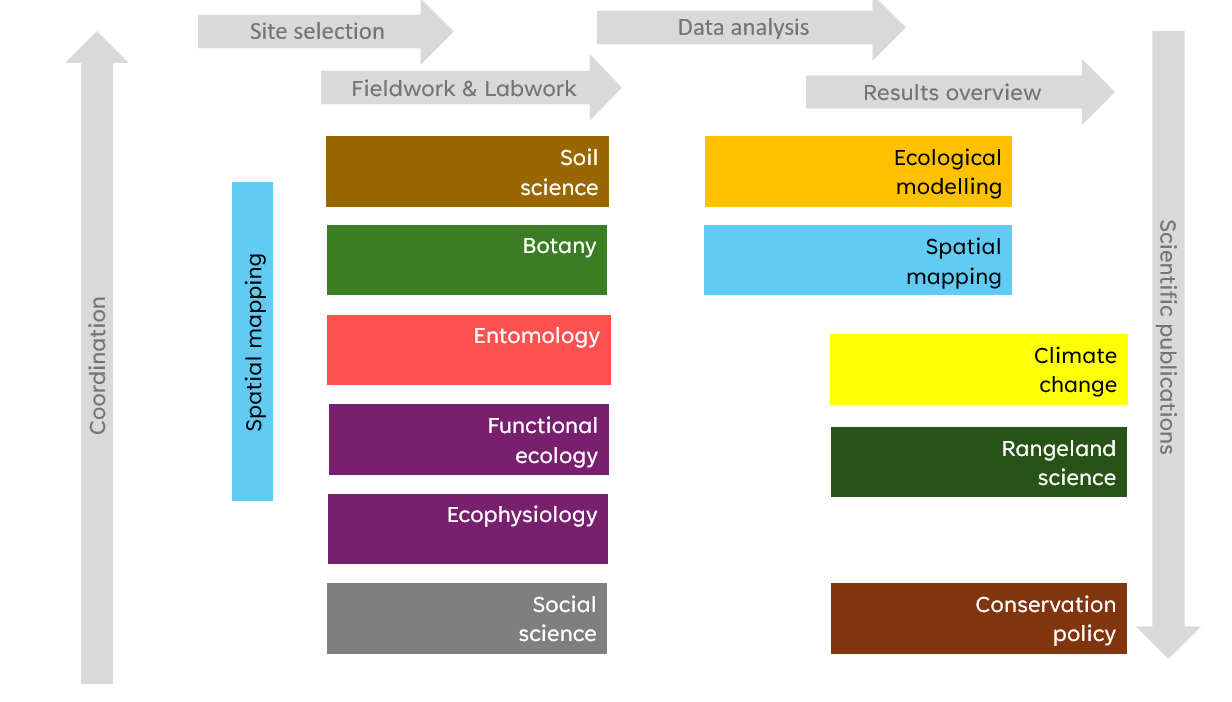
Livemount is a multidisciplinary project, involving 11 scientific fields: soil science, botany, entomology, functional ecology, ecophysiology, social science, ecological modelling, spatial mapping, climate change, rangeland science and conservation policy.
Study area
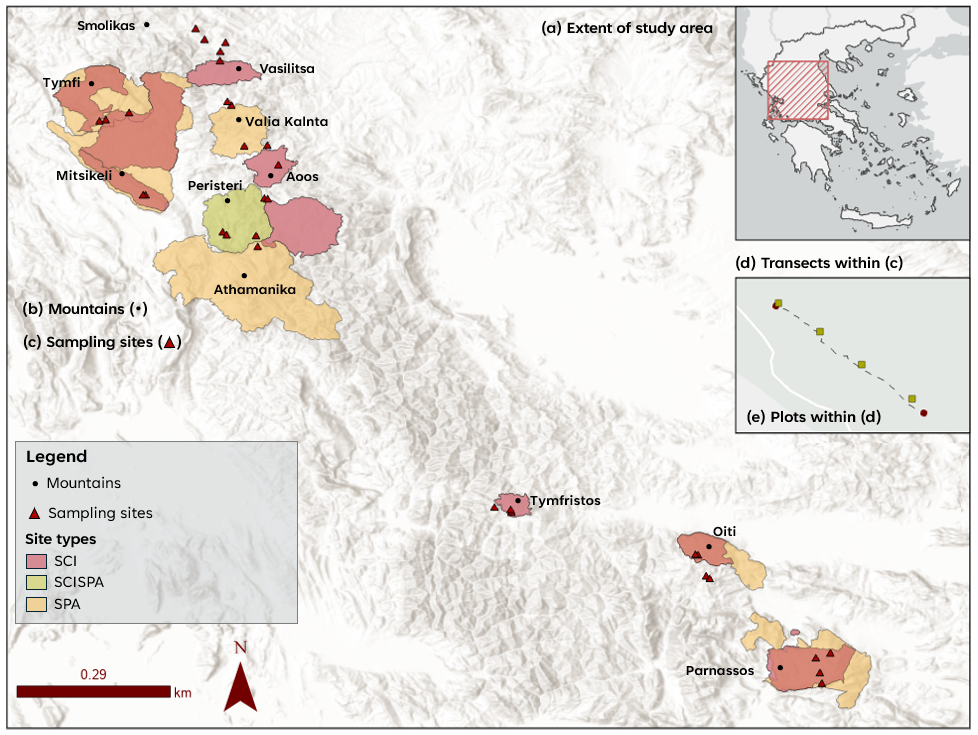
The project focuses on montane grasslands in the Pindos Mountain range, spanning nine mountains (Natura 2000 network).To study the effect of intensive grazing and aridity on functional and taxonomic diversity, we selected 32 sites above tree line (from 1,470 up to 1,850 m) without tree cover, maximizing the gradient range of pasture quality (Leaf Area Index difference) and humidity (mean Normalized Difference Infrared (Moisture) Index) accounting for the past five years. We then defined the stocking density (in terms of Livestock Units per ha) per site through targeted interviews with livestock farmers.
Target taxa
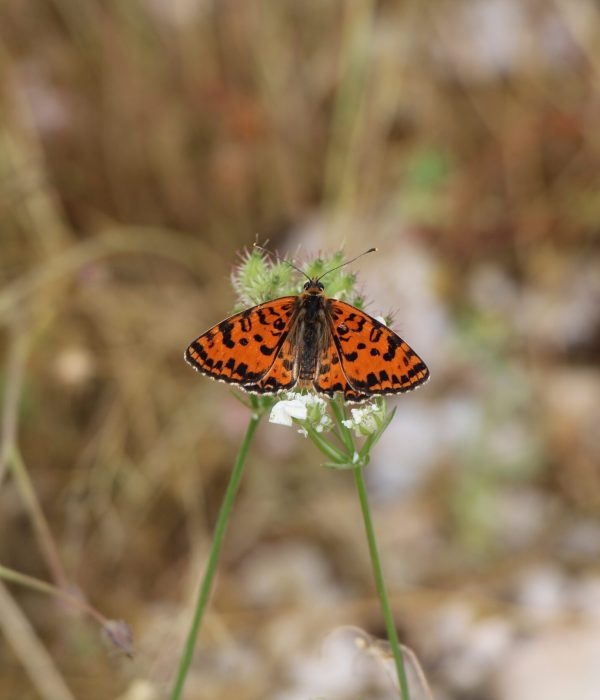
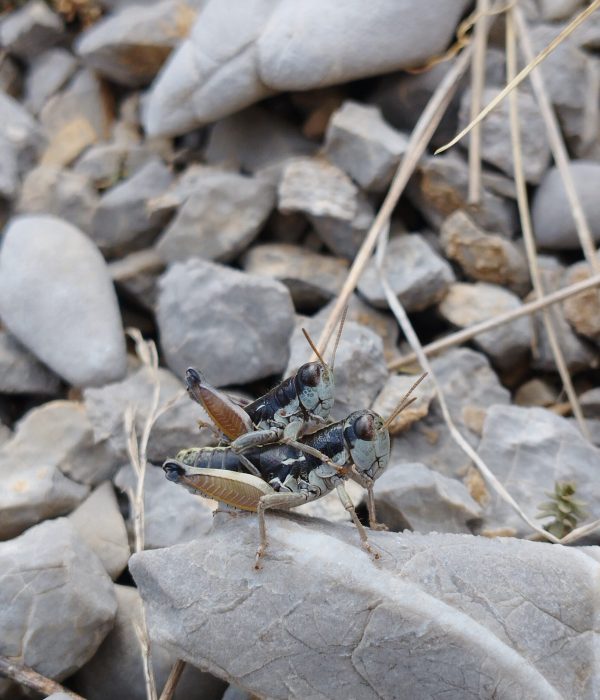
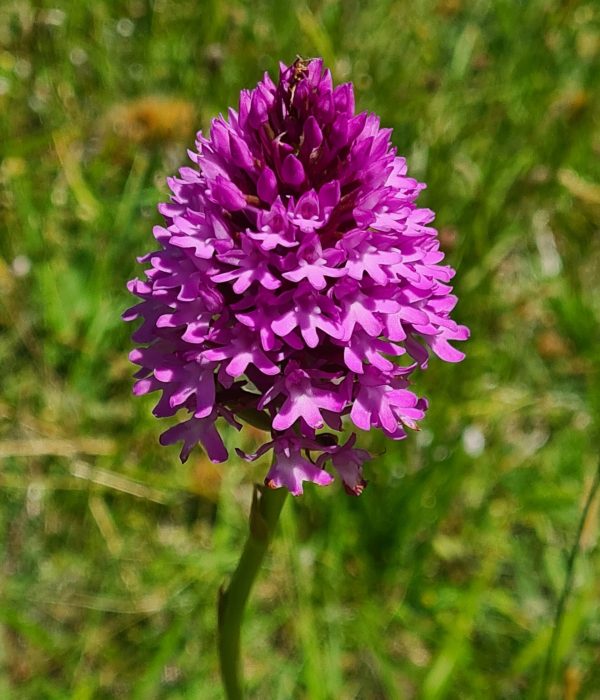
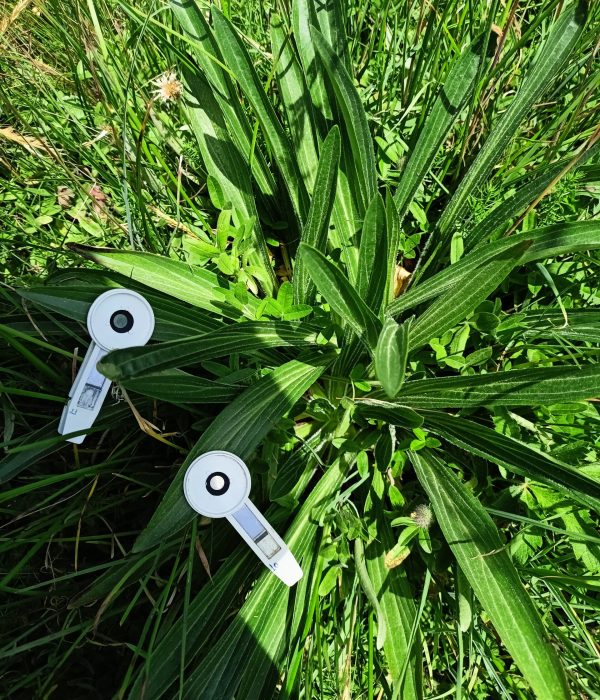
We selected three taxa – vascular plants, grasshoppers and butterflies – that capture different trophic and functional facets (e.g. biomass production, nutrient cycle, pollination), are sensitive microclimatic indicators and highly responsive to grazing regime change.
Methodology
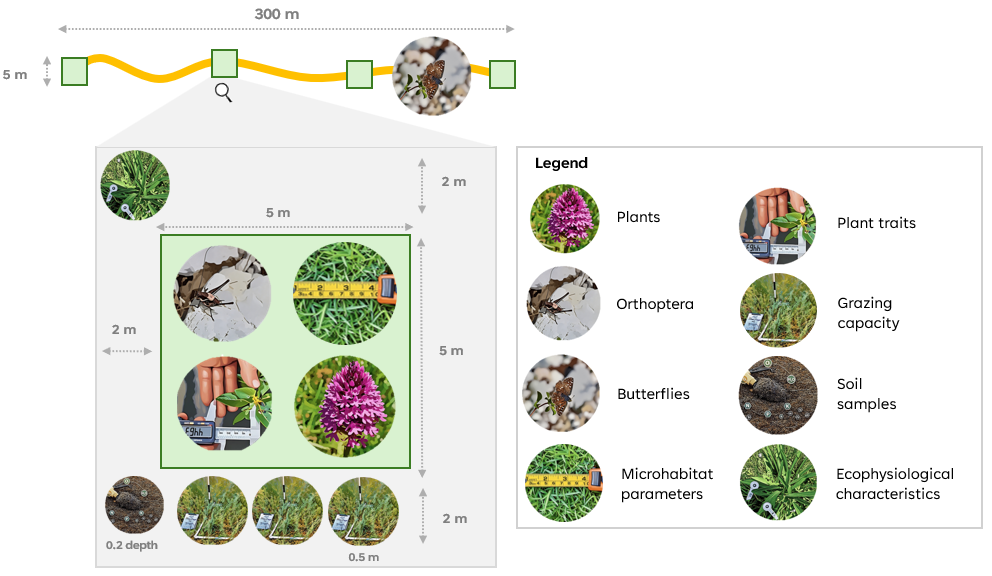
We performed nested sampling, recording all taxa and measurements within a 300x100m site range. Butterflies were recorded within one transect (300x5m) per site, while grasshoppers, plants and microhabitat parameters were recorded within quadrats of 5 m length and 5 m width. Each butterfly transect included four quadrats, positioned at 0, 100, 200 and 300 m along its length. Plant functional traits and plant infestations were measured within two and four quadrats (5x5m), respectively, per transect. The above-ground biomass (grazing capacity) was collected in three 0.5×0.5m plots per quadrat and soil properties were collected as 4 samples per transect. Plant ecophysiological characteristics were measured in 2-4 quadrants per site. Butterfly and microhabitat sampling spanned three seasonal visits.
Results
|
Category |
Sampling area |
Area (m2) |
Number |
Sites |
Visits |
Total samples |
Species |
Counts |
Units |
|
Butterflies |
T-Transect |
1500 |
1 |
32 |
3 |
96 |
104 |
3393 |
Individuals |
|
Orthoptera |
Q-Quadrat |
25 |
4 |
32 |
1 |
128 |
47 |
3090 |
Individuals |
|
Plants |
Q-Quadrat |
25 |
4 |
32 |
1 |
128 |
227 |
2680 |
Individuals |
|
Microhabitat parameters |
Q-Quadrat |
25 |
4 |
32 |
3 |
384 |
/ |
14 |
Parameters |
|
Functional plant traits |
Q-Quadrat |
25 |
2 |
32 |
1 |
64 |
46 |
408 |
Functional traits |
|
Plant infestations |
Q-Quadrat |
25 |
4 |
32 |
1 |
128 |
53 |
3496 |
Number of infestations |
|
Grazing capacity |
P-Plot |
0.25 |
12 |
32 |
1 |
384 |
/ |
/ |
Above-ground biomass |
|
11 soil parameters |
/ |
/ |
4 |
32 |
1 |
128 |
/ |
/ |
Soil samples |
|
Ecophysiology |
Q-Quadrat |
25 |
2 up to 4 |
32 |
1 |
74 |
49 |
956 |
Photosynthesis/stress measurements |
|
Stocking density |
Site |
250000 |
1 |
32 |
1 |
32 |
/ |
55 |
Interviews |
Conferences
Nanopoulou I., Yiotis C., Fotiadis G., Kati V., Profitis S., Adamidis G.C. (2024). Plants of mountain grasslands and ecosystem functioning along a gradient of grazing intensity and aridity. 18th Panhellenic Scientific Conference of the Hellenic Botanical Society, 2-5 October 2024, Thessaloniki, Greece. Poster presentation.
Mediterranean mountainous grassland ecosystems are under increased pressure due to the combined impact of human activities and climate change. Specifically, unsustainable livestock grazing, combined with increasing aridity, may negatively affect biodiversity, ecosystem functioning, and the ecosystem services they provide. The LIVEMOUNT project studies the nexus grazing-biodiversity-climate change, while this study investigates variation of functional traits of dominant plant species, their leaf damage by herbivores and pathogens, as well as the assessment of their photosynthetic rate and stress levels imposed along a dual gradient of grazing intensity and aridity. This research was conducted in 32 sampling areas (Natura 2000 network) in the mountains of Parnassos, Oiti, Tymfristos, Tzoumerka, Lakmos, Mitsikeli, Tymfi, and Smolikas. The measurement of plant functional traits was conducted in two representative 5x5m plots in each study area. In each plot, leaf area, leaf length, leaf width, leaf thickness, leaf dry leaf mass, and specific leaf area of dominant species with a combined coverage >60-80% were measured. Chlorophyll fluorescence-based methods and porometry were used to measure the gas exchange capacity, photosynthetic efficiency and stress levels of the same species, when possible. Herbivore and pathogen leaf damage was recorded in four sampling plots per study area. Part of the samples was stored for future analysis of nitrogen, phosphorus, and carbon concentrations, while in the next sampling period, the floral traits of the dominant species (flower color and size and nectar volume and concentration) will be measured. The assessment of the combined impact of grazing intensity and aridity on mountainous grassland ecosystems’ functioning will lead to the development of improved management and conservation policies.
Kati V., Fotiadis G., Adamidis G.C., Yiotis C., Vrahnakis M., Kazoglou I., Gougoulias N., Kassara C., Petridou M., Zografou K., Tzortzakaki O., Nasiou K., Nanopoulou I., Stefanidis A., Profitis S., Varoucha E., Staratzis E., Andreou H. (2024). LIVEMOUNT: Research on sustainable livestock farming in high mountains under climate change. 1st Panhellenic Agroforestry Conference, 17-19 October 2024, Karpenisi, Greece. Oral presentation.
LIVEMOUNT tackles the nexus grazing-biodiversity-climate change, focusing on the mountainous grasslands of Greece. In full compliance with the objectives of the European Green Deal, the project will contribute to sustainable livestock farming in conditions of increasing aridity, through the maintenance of biodiversity and ecosystem function.
Nasiou K., Zografou K., Radović A., Stefanidis A., Kati V. (2025). Taxonomic, functional and phylogenetic diversity patterns of butterflies in Northern Pindos National Park (Greece). The 6th International Symposium on Future for Butterflies & Moths, 3-5 April 2025, Wageningen, The Netherlands. Poster presentation.
We explored the taxonomic, functional and phylogenetic diversity patterns of mountainous butterfly communities (80 species) in N. Greece. We conducted 300 m transects (3 repetitions, from June to September 2022) in grasslands and forest clearings (1,250 to 1,940 m) within the Natura 2000 sites of Smolikas and Tymfi mountains (11 sites each) and collected 20 environmental parameters. We considered 11 functional traits covering body size, feeding mode, mobility and phenology facets, and a phylogenetic tree to compute seven functional and three phylogenetic diversity indices. The RLQ ordination method explained 37 percent of trait inertia and the fourth corner method identified 25 percent of environmental and trait relationships as important and three as statistically significant. Species level responses reflected that 50 of 80 species had unique abundance patterns shaped by trait and environment interactions. Generalized linear models for butterfly communities indicated that elevation predicts negatively abundance and phylogenetic diversity, slope predicts negatively species richness, mean herb height predicts positively species richness, abundance and phylogenetic diversity, and flowerhead abundance predicts positively species and functional richness. Respective models for SPEC butterflies indicated that elevation, mean herb height and flowerhead abundance predict positively abundance. Seasonal differences of the Community Temperature Index indicated advanced spring appearance for the cold adapted species. Our results highlight the importance of maintaining adequate food resources (flowerheads) and optimal herb height (mean 11 cm) in mountainous grasslands through sustainable livestock grazing and the importance of considering all three diversity aspects in conservation. Data analysis was funded by H.F.R.I. (LIVEMOUNT project).
Nasiou K., Zografou K., Kassara C., Petridou M., Tzortzakaki O., Kati V. (2025). LIVEMOUNT project: Butterfly community responses in montane grasslands under grazing and aridity stresses (Greece). The 6th International Symposium on Future for Butterflies & Moths, 3-5 April 2025, Wageningen, The Netherlands. Poster presentation.
The LIVEMOUNT project explores the interplay between biodiversity, grazing, and climate change, aiming to safeguard biodiversity and ecosystem services while supporting sustainable livestock farming under global warming. The project focuses on montane grasslands in the Pindos Mountain range, spanning eleven mountains (16 Natura 2000 sites). We selected 32 sites above tree line (from 1,470 up to 1,850 m) without tree cover, maximizing the gradient range of pasture quality (Leaf Area Index difference) and humidity (mean Normalized Difference Infrared (Moisture) Index) accounting for the past five years. We defined the stocking density (in terms of Livestock Units per ha) per site through targeted interviews with livestock farmers. Butterflies were selected as one of three biodiversity taxa studied due to their sensitivity to microclimatic changes and grazing intensity. With transect surveys (300 x 5 m), we recorded 104 butterfly species, including 4 listed in Annex II of the Habitats Directive and with quadrats (5 x 5 m) we measured 14 environmental parameters. Field sampling was conducted during the grazing season (from June to August 2024) with three seasonal visits per site. Our next step is to study the turnover of the butterfly community patterns across the grazing and aridity stress gradient and explore the impact of grazing and climate change on species diversity. Funding was received by Hellenic Foundation for Research & Innovation.
Profitis S., Fotiadis G. (2025). Diversification of plant species richness of the above timberline grasslands of Pindos (NW Greece). 12th Panhellenic Rangeland Congress, 7-9 May 2025, Karditsa, Greece. Poster presentation.
The grasslands found above timberline of the Pindus Mountains constitute ecosystems of high ecological value, contributing substantially to biodiversity conservation, particularly through the presence of rare and endemic plant species. This study examines the floristic differentiation of these grasslands across seven mountainous regions of the Pindus range. In total, 84 sampling plots were established, and 226 taxa were recorded. The analysis revealed significant differences in species richness among the surveyed areas, with Aoos and Tzoumerka displaying the highest diversity, while Smolikas and Mitsikeli showed the lowest. Notably, Mitsikeli exhibited the greatest floristic similarity to most of the other mountainous regions, likely due to intensive grazing and the dominance of widespread, disturbance-tolerant species. Conversely, Aoos and Tzoumerka demonstrated moderate to low similarity with each other, a pattern that may be attributed to their exceptionally high species richness.
Kati V., Nasiou K., Kassara C., Petridou M., Stefanidis A., Zografou K. (2025). Sustainable livestock grazing in Mediterranean mountains for insect conservation. International Mountain Conference (IMC), 14-18 September 2025, Innsbruck, Austria. Oral presentation.
Sustainable livestock grazing is challenging in Mediterranean mountainous grasslands, under the increasing aridity stress, stemming from global warming. We aimed to define the optimal range of stocking rate for insect diversity conservation in mountainous grasslands (1,470-1,850 m) in Pindos Mountain Range in Greece (eleven mountains, including protected areas of the Natura 2000 network). We sampled 32 sites along a gradient of pasture quality (LAI-Leaf Area Index) and humidity (NDII-mean Normalized Difference Infrared Moisture Index). For three butterfly seasons (June-July-August 2024), we recorded 104 butterfly species across one transect (300 x 5 m) per site, and 14 microhabitat parameters across four plots (5 x 5 m) per site. During August, we recorded 47 Orthoptera species in the same plots. We produced the Time-Weighted Grazing Index (TWGI) (96 values: 32 sites X 3 seasons), by multiplying the Livestock Units/ha (data collected from interviews with 55 livestock farmers) with the number of grazing days/ overall days of the vegetation growth season, implying the butterfly flight period window. Pasture quality (LAI), humidity (NDII), vegetation height and cover, and flowerheads significantly decreased from June to August, and TWGI and litter cover increased. Models showed that TWGI negatively affected vegetation height, vegetation cover and flowerhead abundance, and positively litter cover. Models also showed that vegetation heights of 15–20 cm ensured the highest butterfly species richness and abundance (and a litter cover of 25-30% only for butterfly species richness). Orthoptera species richness peaked at 1,650–1,750 m elevation and 20–50% vegetation cover, with their abundance positively related to vegetation height and negatively to stone cover. Preliminary findings suggest a stocking rate of up to 0.11 LVU/ha in more arid pastures (NDII<0.1) increasing to 0.41 LVU/ha in more humid pastures (NDII>0.2) to maintain adequate vegetation height and cover for butterfly and orthoptera conservation in the high mountains. These results underline the need to define sustainable grazing management plans in the mountainous pastures accounting for both livestock farming sector sustainability and biodiversity conservation, under climate change. This study was funded by H.F.R.I. (LIVEMOUNT project).
Petridou M., Fotiadis G., Adamidis G.C., Yiotis C., Vrahnakis M., Kazoglou I., Gougoulias N., Kassara C., Zografou K., Tzortzakaki O., Papaioannou H., Nasiou K., Nanopoulou I., Stefanidis A., Profitis S., Kati V. (2025). Project LIVEMOUNT: Achieving sustainability of livestock farming in the high mountains under climate change. International Mountain Conference (IMC), 14-18 September 2025, Innsbruck, Austria. Oral presentation.
LIVEMOUNT tackles the nexus of grazing-biodiversity-climate change in Mediterranean mountains. In compliance with the European Green Deal, the project contributes to sustainable livestock farming, through the maintenance of biodiversity and ecosystem function. We sampled 32 sites along a gradient of pasture quality (LAI-Leaf Area Index) and humidity (NDII-mean Normalized Difference Infrared Moisture Index) in 32 mountainous pastures (>1500m asl) across eleven mountains (Natura 2000 network) of Pindos Mountain Range in Greece. We present here the methods employed and preliminary results obtained. We adopted a nested sampling, including a butterfly transect (300 m X 5 m) and four quadrats (5 m X 5 m) along it (75-100 m distance). Sampling took place in June 2024 (August for Orthoptera) and was repeated three times (June-August) for butterflies and microhabitat parameters. To assess biodiversity patterns, we recorded (i) 14 microhabitat parameters of topography, soil cover, vegetation structure and flowerheads (128 quadrats), (ii) 227 vascular plant taxa (2680 individuals) using the Braun Blanquet method (128 quadrats), (iii) 104 butterfly species (96 Pollard transects) out of which four protected species, and (iv) 47 Orthoptera species, out of which six red-listed/endemic species (128 quadrats). To assess ecosystem function, we measured (v) eleven soil parameters related to the physico-chemical properties and soil bulk density by collecting four soil samples per transect (0-20cm depth), (vi) the photosynthetic efficiency, the gas exchange capacity and the ecophysiological stress in 956 individuals of 49 plant species (74 quadrats) (vii) 408 functional traits of 46 dominant plant species (64 quadrats), and (viii) the above-ground biomass in three 50cmX50cm quadrats per plot (384 samples along all transects) by clipping vegetation at 1-2 cm height above ground to estimate the forage material and the grazing capacity of each site. At each site, we assessed the current stocking rate through semi-structured interviews with 55 livestock farmers, with values ranging from 0.0 to 1.8 Livestock Units per hectare. We will proceed in a combinative analysis of the above datasets to define the optimal range of stocking rate ensuring both biodiversity and ecosystem function maintenance and livestock farming sustainability under climate change. This study was funded by H.F.R.I.
Profitis S., Fotiadis G. (2025). Habitat type differentiation in the pseudo-alpine grasslands of Pindos. 22nd Panhellenic Forestry Congress, 28 September – 1 October 2025, Ioannina, Greece. Poster presentation.
This study focuses on the identification and ecological classification of the subalpine grasslands habitat types of the Pindus range, based on relevés carried out using Braun-Blanquet method, within the framework of the LIVEMOUNT project. Using the TWINSPAN (Two-Way Indicator Species Analysis) method, relevés were grouped into distinct phytosociological units corresponding to Natura 2000 habitat types. For each group, indicator species, overall diversity, and cover are presented, along with the presence of diagnostic taxa. The results provide a detailed ecological “image” of the high-altitude ecosystems of Pindus and support the conservation of semi-natural habitats of high biodiversity value.
Vrahnakis M., Kati V., Kazoglou Ι., Fotiadis G., Adamidis G., Yiotis C., Gkougkoulias Ν., Kassara C., Petridou Μ., Zografou Κ., Tzortzakaki Ο., Nasiou Κ., Nanopoulou Ι., Stefanidis A., Papaioannou H. (2025). LIVEMOUNT Project: Grazing – Biodiversity – Climate Change with a focus on the pseudo-alpine grasslands of Greece. 22nd Panhellenic Forestry Congress, 28 September - 1 October 2025, Ioannina, Greece. Short oral presentation.
The LIVEMOUNT research project focused on four distinct objectives: 1. Assessing the impact of livestock grazing on pseudoalpine plant and insect communities under drought stress (taxonomic approach). 2. Elucidating the underlying mechanisms affecting the functioning of pseudoalpine grassland systems (functional approach). 3. Combining taxonomic and functional approaches to propose strategies for livestock adaptation to climate change and linking them to conservation policy and practice. 4. Maximizing the scientific and societal impact of the project. The most important conclusion that emerged upon completion of the project is that climate change creates a new framework for reconsidering the role of extensive livestock farming in the Greek mountains, i.e. the traditional pastoral farming. Greek pastoral livestock farming plays an important environmental role. It maintains high levels of biodiversity, contributes to the ecological balance of natural ecosystems and at the same time ensures the protection and unhindered provision of ecosystem services. Specifically, supply services (such as food, water, firewood), regulatory services (such as climate and hydrological regulation), cultural services (such as recreation, preservation of cultural identity) and support services (such as soil biological activity, pollination). However, the implementation of pastoral livestock farming and the balance of grazing capacity (i.e. the ability of the above-ground biomass of plants in a rangeland to sustainably meet the nutritional needs of grazing animals) and stocking rate (i.e. the number of animals driven to graze in a rangeland) does not appear evenly distributed in space and time, resulting in some cases of overgrazing and in most cases undergrazing of rangelands. In particular, the overgrazing of rangelands of Greece tends to become an acute problem, given the recent slaughter of a large number of herds. LIVEMOUNT dedicated a specific Work Package that leads, upon its completion, to a series of policy proposals, which are in their final stage of elaboration. Among these are the need to design and implement Grazing Management Plans, the preservation and support of transhumance, the recording of traditional knowledge and the application of the principle of historicity in the management of grasslands, the strengthening of indigenous breeds of farm animals, the connection of crop and livestock production with the aim of avoiding lockdown-type problems and reducing production costs, and the necessary specialization in the areas of the Natura 2000 network. Above all, however, the cooperation of competent Ministries and Agencies is required with the aim of describing and implementing a National Plan for the Strengthening of Pastoral and Transhumance Livestock. This Plan should be in harmony and coherence with a National Plan to Stop the Desertification of Mountainous Areas. This is because stopping the desertification and abandonment of mountain communities can be largely achieved when there are professional perspectives and the strengthening of the environmentally and socially beneficial pastoral activity.
Kati V., Fotiadis G., Adamidis G.C., Yiotis C., Vrahnakis M., Kazoglou I., Gougoulias N., Kassara C., Petridou M., Zografou K., Tzortzakaki O., Nasiou K., Nanopoulou I., Stefanidis A., Profitis S., Papaioannou H., Asaloumidou E., Staratzis E., Andreou H. (2025). The nexus grazing–biodiversity–climate change in the mountainous grasslands of Pindos: Research for achieving sustainable livestock farming (project LIVEMOUNT). 12th Panhellenic Ecology Conference (HELECOS), 1-4 October 2025, Athens, Greece. Poster presentation.
LIVEMOUNT addresses the grazing–biodiversity–climate change nexus in sub-alpine grasslands. We selected 32 sites (1470–1850 m) of varying climatic profiles (NDII–Normalized Difference Infrared Moisture Index) and grassland readiness (ΔLAI–Leaf Area Index from May to August over five years) in Pindos (Mounts Parnassos, Oiti, Tymfristos, Tzoumerka, Lakmos, Mitsikeli, Tymfi, Smolikas). Through 55 livestock stock breeders interviews, the grazing intensity was estimated (0–1.8 LVU/ha). In 2024, 104 butterfly species (3393 individuals) were recorded across 32 transects (one 300 x 5 m transect per site with 3 repetitions). We sampled four 5 x 5 m quadrats along each transect (128 quadrats) 227 plant species (Braun-Blanquet), 47 Orthoptera species (3090 individuals), and 14 environmental parameters. Four soil samples were collected per site to analyze 11 soil parameters in the laboratory. Twelve above-ground biomass samples were collected in 0.5 x 0.5 m quadrats, to determine the dry forage yield. Functional traits were measured on three samples from 43 dominant plant species (cover >30%). For 49 plant species (956 individuals), gas exchange capacity, photosynthetic efficiency, and stress levels were measured using porometry and chlorophyll fluorescence. A comprehensive analysis of the databases and the socioeconomic status of mountain livestock farming is underway to define the optimal grazing levels that maximize biodiversity and ecosystem services, to be integrated in the Grazing Management Plans for enhancing mountain livestock farming.
Nanopoulou I., Adamidis G.C. (2025). Effects of grazing and aridity on the functioning of plant communities in mountainous Mediterranean grasslands. 12th Panhellenic Ecology Conference (HELECOS), 1-4 October 2025, Athens, Greece. Poster presentation.
Mountainous Mediterranean grassland ecosystems are vital for biodiversity and for providing essential ecosystem services. However, they are increasingly threatened by the combined pressures of climate change and human activities, particularly overgrazing and aridity. Understanding the complex responses of these ecosystems to such diverse stresses is crucial for the development of eefective conservation and management strategies. This study investigates the interactions between aridity, grazing and plant functional traits across 32 sampling sites (Natura 2000 network) located on various mountainous regions of Greece (Parnassos, Oiti, Tymfristos, Tzoumerka, Lakmos, Mitsikeli, Tymfi, and Smolikas). Focusing on key functional traits like Specific Leaf Area (SLA), Leaf Dry Matter Content (LDMC), leaf area and leaf thickness, we calculated community weighted means (CWMs) and functional diversity (FDis), accounting for both inter- and intraspecific variation. The effects of grazing and drought on these functional metrics were evaluated using Bayesian mixed-effects models, which incorporate the hierarchical structure of the data. Our findings enhance the understanding of how plant communities respond to environmental stressors and support evidence-based conservation actions for the vulnerable Mediterranean mountain grasslands.
Nasiou K., Stefanidis A., Kassara C., Petridou M., Kati V. (2025). The effect of grazing and aridity stress on Orthoptera communities in the montane grasslands of the Pindos mountain range: the role of heterogeneity. 12th Panhellenic Ecology Conference (HELECOS), 1-4 October 2025, Athens, Greece. Poster presentation.
Sustainable livestock grazing in Mediterranean ecosystems is challenging due to rising aridity and shifting grazing regimes, creating a biodiversity–grazing–climate nexus. We investigated Orthoptera diversity patterns across 32 montane grasslands (1.470–1.850 m) in the Pindos Mountain Range (including 16 Natura 2000 sites) with different pasture quality (Leaf Area Index, LAI) and humidity (Normalized Difference Infrared Moisture Index, NDII). During August 2024, we recorded 47 Orthoptera species and 14 microhabitat parameters across four 5 × 5 m plots per site. We quantified stocking rate (LU/ha-livestock units/hectare) per site via interviews with 55 livestock farmers. Models (GLMs) showed that vegetation height and cover, and flower units decreased with increasing stocking rates; they increased with humidity, but litter decreased. GAM modeling showed that Orthoptera richness and abundance increased with elevation; abundance peaked at intermediate (15–20 cm) and higher (50–60 cm) vegetation heights, reflecting the ecological preferences of grasshoppers and bush-crickets, respectively. Grasshopper abundance increased with elevation, declined with stone cover, and peaked at ~20 cm of vegetation height. Bush-cricket abundance was positively linked to soil cover and peaked at 1.700–1.800 m and 40–56 cm of vegetation height. Optimal stocking rates were up to 0,63 LU/ha in more arid grasslands (NDII<0,1) and 1,15 LU/ha in more humid ones (NDII>0,2). Vegetation heterogeneity —the coexistence of tall and short vegetation— is also critical for conserving both suborders.
Nasiou K., Zografou K., Kassara C., Petridou M., Tzortzakaki O., Kati V. (2025). The effect of grazing and aridity stress on butterfly communities in the montane grasslands of the Pindos mountain range. 12th Panhellenic Ecology Conference (HELECOS), 1-4 October 2025, Athens, Greece. Oral presentation.
Climate change and livestock grazing are the main drivers shaping mountainous biodiversity. We aimed to identify optimal stocking rates for butterfly conservation in 32 montane grasslands (1.470–1.850 m) along a dual gradient of aridity (NDII-Normalized Difference Infrared Moisture Index) and pasture quality (ΔLAI-Leaf Area Index) in Pindos Mountain Range (including 16 Natura 2000 sites). We conducted three site visits between June and August 2024. In each site, we counted butterflies along one 300 x 5 m transect and measured 14 microhabitat variables across four 5 × 5 m plots, concluding to 104 butterfly species. By interviewing 55 farmers, we estimated a time-weighted grazing index, by multiplying the LU/ha (livestock units/ha) with the grazing duration for every site visit. Results showed that LAI, NDII, vegetation height and cover, and flower units significantly decreased along visits, but litter increased. GAM modeling showed that the highest species richness occurred at vegetation heights of 15–20 cm and litter coverage of 25–30% and that abundance linearly increased with the number of flower units and peaked at the same vegetation heights. Results align with the intermediate disturbance hypothesis, as the butterfly abundance presented a hump-shaped relationship with the grazing index, suggesting a maximum stocking rate of 0,11 LU/ha in more arid pastures (NDII<0,1) and 0,41 LU/ha in more humid ones (NDII>0,2). We suggest integrating such biodiversity aspects into the grazing management plans.
Profitis S., Fotiadis G. (2025). Chorological Analysis of the Above-Timberline Grasslands in Northern Pindos. 12th Panhellenic Ecology Conference (HELECOS), 1-4 October 2025, Athens, Greece. Poster presentation.
The grasslands found above timberline, of the northern Pindos range, are unique and important ecosystems, as they contribute to the conservation of biodiversity by hosting numerous rare and endemic species (Athanasiadis et al. 2001, Papanastasis 2002). In this study, a spatial analysis of plant taxa was carried out across 84 sampling plots located in seven mountainous areas of the Pindos range, all situated at elevations above 1,470 meters. A total of 171 plant taxa were recorded. The majority of these taxa are of European (35%), followed by Mediterranean species (28%). A significant proportion consists of Balkan endemics (22%), while cosmopolitan species (5%) and Greek endemics (1%) were represented in much smaller percentages (Dimopoulos et al. 2013). These results were expected, given the geographical position and the altitude of the study sites, which explain the dominance of European and Mediterranean taxa, the strong presence of Balkan endemics, and the limited representation of Greek endemics. The floristic composition reflects not only the species occurring in the region but also the high ecological heterogeneity of the subalpine grasslands of Northern Pindos (Profitis & Fotiadis 2025). These findings highlight the importance of these mountain ecosystems as biodiversity hotspots, as well as natural observatories for studying the impacts of climate change and land-use change on the flora of Greece’s mountainous regions.
Adamidis G.C., Nanopoulou I., Fotiadis G., Yiotis C., Zografou K., Kati V. (2025). Functioning of subalpine ecosystems across aridity and grazing gradients. British Ecological Society Annual Meeting, 15-18 December 2025, Edinburgh, United Kingdom. Poster presentation.
Mediterranean mountain grasslands are biodiversity hotspots that provide vital ecosystem services, yet they are increasingly threatened by climate change and human pressures such as overgrazing. Understanding how these ecosystems respond to multiple stressors is essential for effective conservation, but the combined impacts of aridity and grazing remain poorly understood. We investigated plant functional responses across 32 pastures (Natura 2000 network) in mountainous Greece (Parnassos, Oiti, Tymfristos, Tzoumerka, Lakmos, Mitsikeli, Tymfi, Smolikas). We measured key traits including specific leaf area, leaf dry matter content, leaf area and leaf thickness to calculate community-weighted means and functional diversity indices, accounting for both inter- and intraspecific variation. We then examined how aridity and grazing influence these metrics. Our findings show that plant communities adjust in distinct ways to simultaneous environmental pressures and highlight the value of functional traits as sensitive indicators. These results provide important insights for evidence-based strategies to conserve and manage Mediterranean grasslands under global change.
Zografou K., Fotiadis G., Adamidis G.C., Vrahnakis M., Kati V. (2025). Project LIVEMOUNT: Towards Sustainable Livestock in Mediterranean High Mountains. British Ecological Society Annual Meeting, 15-18 December 2025, Edinburgh, United Kingdom. Poster presentation.
Achieving climate-resilient pastoralism while safeguarding biodiversity is central to the European Green Deal. In LIVEMOUNT we surveyed 32 high-elevation (>1500 m) pastures across 11 mountains (Natura 2000 network) in Greece, stratified by LAI (quality) and NDII-mean (humidity). A nested design combined a 300×5 m Pollard transect with four 5×5 m quadrats per site; butterflies and microhabitats were resurveyed June–August 2024, Orthoptera in August. Preliminary results record 14 microhabitat variables, 227 vascular plant taxa, 104 butterfly species and 47 Orthoptera (six red-listed/endemic). Ecosystem functioning was assessed via 11 soil properties (0–20 cm), plant physiology (photosynthesis, gas exchange, stress; 956 individuals of 49 species), 408 functional traits (46 dominant species) and 384 biomass cuts estimating forage and grazing capacity. Interviews with 55 farmers indicate stocking rates of 0.0–1.8 LU ha⁻¹. Integrating these datasets, we will delineate stocking-rate thresholds that maintain biodiversity and ecosystem function under climate change. Funded by H.F.R.I.
Nasiou K., Stefanidis A., Kassara C., Petridou M., Kati V. (2026). The effect of grazing and aridity stress on Orthoptera communities in the montane grasslands of the Pindos mountain range, Greece. 15th International Congress of Orthopterology (ICO2026), 8-12 March 2026, San Martín de Los Andes, Argentina. Oral presentation.
Sustainable livestock grazing in Mediterranean mountains is increasingly challenged by rising aridity and shifting grazing regimes, creating a biodiversity–grazing–climate nexus. We surveyed Orthoptera across 32 montane grasslands (1,470–1,850 m) in the Pindos Mountain Range (11 mountains; 16 Natura 2000 sites), along a humidity (NDII: Normalized Difference Infrared Moisture Index) and pasture quality (ΔLAI: Leaf Area Index difference August-May) gradient (Fig. 1). During August 2024, we recorded 47 Orthoptera species and 14 microhabitat parameters across four 5 × 5 m plots per site. By interviewing 55 local farmers, we derived a Time-Weighted Grazing Index (TWGI: Livestock Units per ha (LU/ha) x grazing duration). Kruskal–Wallis tests with Dunn post hoc comparisons showed that sites grazed only by sheep/goats had shorter grazing periods, experienced lower grazing pressure, and were less arid than sites grazed by all types of livestock (sheep/goats, cattle and horses). Canonical Correspondence Analysis indicated stone cover and plant species richness as the strongest drivers of community composition (p < 0.05); together with elevation, grass/herb cover, robust plant cover, bare ground cover, grass/herb mean height, shrub mean height, flower-unit abundance, and TWGI, they explained 40% of inertia. Species richness (GAM; adj. R² = 0.20) increased with elevation and plant richness but declined with ΔLAI. Total abundance (GAMM; adj. R² = 0.68) increased with elevation, decreased with stone cover, and showed a hump-shaped relationship with vegetation height, with peaks at ~15–20 cm and ~50–60 cm, reflecting Caelifera and Ensifera preferences, respectively. Caelifera abundance also increased with elevation and declined with stone cover, whereas Ensifera abundance was positively associated with soil cover and peaked at 1,700–1,800 m. To conclude, based on shared vegetation preferences of Caelifera and Ensifera, we recommend maximum stocking rates of 0.63 LU/ha in more arid pastures (NDII < 0.1) and 1.15 LU/ha in more humid pastures (NDII > 0.2). Integrating these biodiversity aspects into the grazing management plans can support Orthoptera and other surrogate insect taxa under increasing aridity.
Open lectures
- Kati V. (2024). LIVEMOUNT: sampling methods for biodiversity and ecosystem services. Course: Biodiversity & Climate Change, Instructor: Prof. V. Kati, Department of Biological Applications and Technology, University of Ioannina, Ioannina, 25 November 2024.
- Kati V. (2024). LIVEMOUNT: a project for sustainable livestock breeding in the high mountains. Course: Conservation Biology in Practice, Instructor: Prof. V. Kati, Department of Biological Applications and Technology, University of Ioannina, Ioannina, 29 November 2024.
- Kati V. (2024). Research and actions for biodiversity: why it matters? An ethical and development approach. Event organized by Ecomuseum Zagori, Metsovo Cultural Center, 8 December 2024. (Invited speaker)
- Fotiadis G. (2025). LIVEMOUNT project: Achieving sustainability of livestock farming in the high mountains under climate change. Webinar “Biodiversity in the High Mountains of Pindos”, organized by the Agricultural University of Athens, Department of Forestry and Natural Environment, Karpenisi, 10 April 2025.
- Nasiou K. (2025). Responses of mountain butterfly communities to grazing pressure and climate change. Webinar “Biodiversity in the High Mountains of Pindos”, organized by the Agricultural University of Athens, Department of Forestry and Natural Environment, Karpenisi, 10 April 2025.
- Profitis S. (2025). Fauna in above-timberline ecosystems of the Pindos mountain range. Webinar “Biodiversity in the High Mountains of Pindos”, organized by the Agricultural University of Athens, Department of Forestry and Natural Environment, Karpenisi, 10 April 2025.
- Stefanidis A. (2025). Responses of mountain Orthoptera communities to grazing pressure and climate change. Webinar “Biodiversity in the High Mountains of Pindos”, organized by the Agricultural University of Athens, Department of Forestry and Natural Environment, Karpenisi, 10 April 2025.
- Nasiou K. (2025). Case studies on butterflies and Orthoptera in Greek mountain ecosystems. Course: Terrestrial Fauna of Greece – Insects, Instructor: Dr. K. Zografou, Department of Biological Applications and Technology, University of Ioannina, 8 May 2025. (Guest lecture)
- Nasiou K. (2025). Orthoptera community responses in montane grasslands under grazing and aridity stresses. TEOSS International Workshop “Orthoptera Sound System”, organized by the Biodiversity Conservation Lab, Department of Biological Applications and Technology, University of Ioannina, Konitsa, 27 July 2025. (Student presentation)